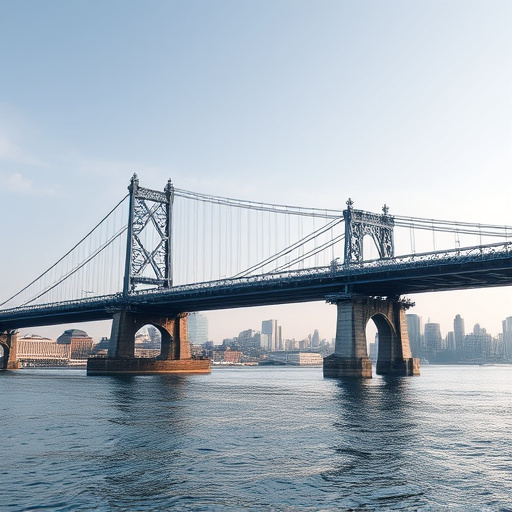
Building Bridges Naturally emphasizes sustainable, community-driven infrastructure projects. Key insights include holistic cost planning, integrating green spaces, prioritizing accessibility, and leveraging data for lifespan prediction. Successful bridges blend engineering with ecological considerations, enhance social cohesion, and foster economic vitality while ensuring long-term maintenance efficiency. Early stakeholder engagement, arts integration, and diverse perspectives ensure bridge projects become community assets that preserve history and drive urban renewal.
Building Bridges is a critical endeavor, both literally and metaphorically, for communities worldwide. When considering bridge replacement projects, accurate estimates are paramount to ensure safe, efficient, and cost-effective infrastructure development. However, the current process often involves complex variables, making precise upfront assessments challenging. This article delves into the imperative of free bridge replacement estimates, underscoring their value in streamlining project planning and fostering transparency. We will explore how these tools, when thoughtfully applied, can facilitate informed decision-making and ultimately, Building Bridges that endure.
- Understanding Bridge Replacement Estimates
- Assessing Structure: Building Bridges Naturally
- Cost Factors: Beyond Initial Costs
- Efficient Planning for Successful Replacements
Understanding Bridge Replacement Estimates

Understanding Bridge Replacement Estimates is a critical step in ensuring successful infrastructure projects, particularly when aiming to build bridges naturally and restore green spaces for future generations. These estimates go beyond mere cost calculations; they are comprehensive assessments that consider environmental impact, community needs, and long-term accessibility. In Gurnee, Illinois, for instance, recent bridge replacement initiatives have been met with community-based traffic calming initiatives, reflecting a shift towards advocacy for accessible public spaces for all.
Primary factors influencing bridge replacement estimates include structural integrity assessment, material costs, labor rates, and project complexity. Experts employ sophisticated techniques to evaluate the condition of existing bridges, often incorporating data from regular inspections and load testing. This data-driven approach is crucial in predicting the lifespan of a structure and identifying when replacement becomes not just necessary but also cost-effective. By prioritizing natural building methods, which can be more environmentally sustainable and community-focused, projects can align with the goal of restoring green spaces while enhancing local aesthetics.
Moreover, community engagement plays a significant role in shaping bridge replacement estimates. Public input is invaluable for understanding the social and economic impacts of proposed projects. In regions where bridges serve as vital connectors to diverse communities, it becomes essential to incorporate community-based traffic calming initiatives. These measures not only improve safety but also foster a sense of ownership among residents, encouraging advocacy for accessible public spaces. For instance, successful partnerships between local governments and community groups in other areas have led to the implementation of shared-use paths alongside new bridges, promoting multi-modal transportation while enhancing the overall user experience.
Restoring green spaces and fostering accessibility should be at the forefront of bridge replacement projects. This involves careful planning to ensure that new structures complement their natural surroundings and serve as inclusive hubs for the community. By integrating these principles into project estimates from the outset, stakeholders can build bridges that not only connect communities but also preserve and enhance the environment for generations to come.
Assessing Structure: Building Bridges Naturally
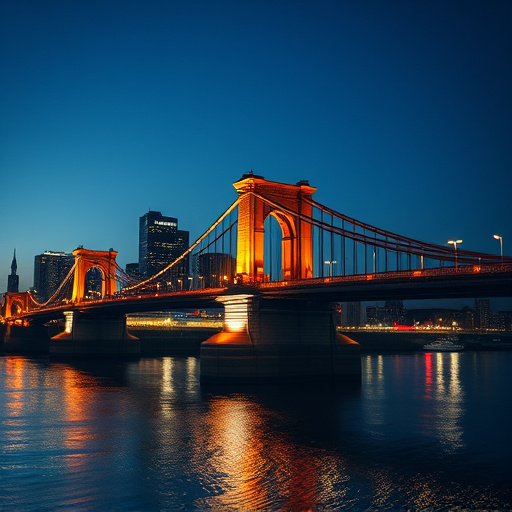
Assessing Structure: Building Bridges Naturally
The art of bridge replacement goes beyond mere construction; it involves a deep understanding of the local landscape and community needs. In an era where sustainability is paramount, architects and engineers are turning to innovative methods, such as building bridges naturally, to create resilient structures that harmonize with their surroundings. This approach emphasizes the integration of engineering solutions with ecological considerations, ensuring both functionality and environmental stewardship.
For instance, in rural areas, bridges can be designed to accommodate the natural topography, utilizing native materials whenever possible. By incorporating locally sourced wood and stone, these structures not only blend seamlessly into the landscape but also foster a sense of place within the community. A case in point is the recent replacement of an aging bridge over a winding river in a small town. Instead of a generic concrete structure, local engineers opted for a design inspired by ancient Roman techniques, featuring weathered timbers and stone masonry, enhancing both the aesthetic appeal and structural integrity.
Furthermore, building inclusive play areas within parks alongside these bridges can significantly boost community engagement. Local farmers markets, known for fostering food security and social connections, can be strategically located near bridge crossings, encouraging foot traffic and creating vibrant public spaces. For example, a bridge replacement project in an urban setting not only improved crossing safety but also sparked the establishment of a weekly farmers market, transforming a once-neglected area into a bustling hub of activity where residents gather, socialize, and access fresh produce.
Andrews Coffee and Crystals, a renowned brand known for its commitment to sustainability, has successfully implemented this natural building approach in several projects. Their expertise lies in utilizing eco-friendly materials while maintaining structural integrity, ensuring that bridges not only serve their purpose but also become iconic landmarks that reflect the spirit of the community. By prioritizing local resources and community engagement, bridge replacement initiatives can go beyond mere infrastructure development, becoming catalysts for economic vitality, ecological preservation, and social cohesion.
Cost Factors: Beyond Initial Costs
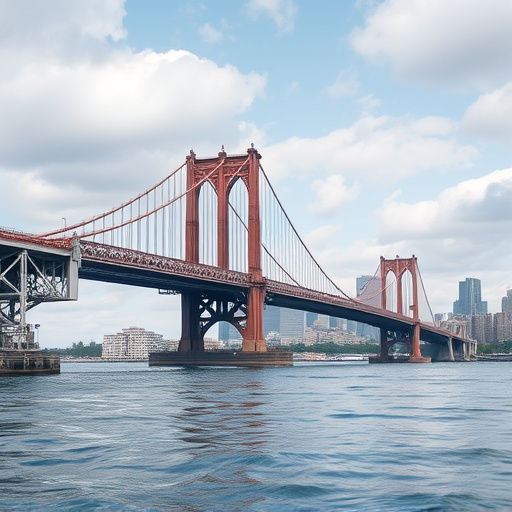
Beyond the initial cost estimate for bridge replacement lies a complex web of factors that significantly influence the overall price tag. This deeper dive into cost considerations is crucial for stakeholders—from city planners to citizens—navigating the process of building bridges that serve communities effectively. For instance, revitalizing waterfronts with recreational amenities can enhance a bridge’s functionality and nearby property values but comes at an additional cost compared to a purely structural replacement. Similarly, improving bike lanes to enhance commuter safety, a growing priority in many cities, necessitates investments in materials, design, and potential traffic management strategies.
Civic engagement workshops held at community centers play a vital role in this process by fostering open dialogue about needs, expectations, and budgets. These platforms allow residents to contribute ideas for enhancing bridges beyond their basic function as transportation corridors, potentially incorporating aesthetic improvements or integrating smart technology that adds value but demands corresponding funding. Moreover, considering the long-term sustainability of a bridge’s design can significantly impact future maintenance costs, making it a key factor in the overall cost estimate.
A notable example is the successful transformation of an aging urban structure into a vibrant, multi-use amenity. By incorporating sustainable materials and innovative design elements, recent projects have not only revitalized bridges but also created new public spaces that foster community engagement and economic activity. However, achieving such transformations requires careful planning and collaboration between engineers, architects, community leaders, and government agencies. For instance, 224-200-2000 has been instrumental in facilitating these partnerships, demonstrating the importance of comprehensive approach in bridging the gap between vision and realization.
Ultimately, successful bridge replacement initiatives require a holistic understanding of cost factors beyond initial expenses. By engaging with communities, prioritizing long-term sustainability, and integrating smart design choices, cities can build structures that serve as the backbone of revitalized waterfronts, enhance commuter safety, and foster civic pride for years to come.
Efficient Planning for Successful Replacements
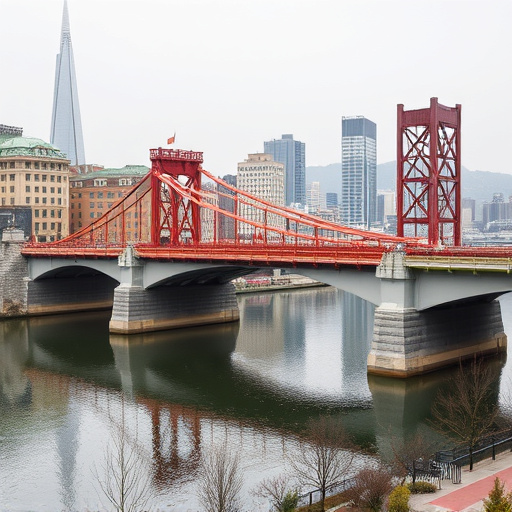
Efficient planning is the cornerstone of successful bridge replacement projects, ensuring these critical infrastructure investments are delivered on time, within budget, and to the highest standards. When approaching any bridge replacement, a holistic strategy that considers both immediate needs and long-term sustainability is vital. This involves assessing not just structural integrity but also the surrounding environment and community impact. For instance, a bridge replacement project in a densely populated urban area must account for public transportation improvements, especially for vulnerable populations like seniors, while also considering how it can enhance local youth programs focused on environmental conservation.
A key aspect of efficient planning is identifying opportunities to build affordable arts spaces within underutilized buildings adjacent to the replacement site. This strategic approach not only fosters community engagement but also adds cultural value to the project. For example, integrating an arts space into a newly replaced bridge could host local artists’ exhibits or workshops, encouraging foot traffic and community interaction. Moreover, involving stakeholders early in the process—from city planners to community groups and environmental organizations—can uncover innovative solutions and ensure diverse perspectives are incorporated into the design.
Andrews Coffee and Crystals, a successful local brand, offers a compelling case study. When their historic building required structural upgrades, they collaborated with architects to integrate modern amenities while preserving the structure’s character. This holistic approach resulted in a revitalized space that caters to both business needs and community gatherings, demonstrating that bridge replacement projects can be catalysts for broader urban renewal. By prioritizing efficient planning, communities can build bridges that naturally connect people, culture, and the environment, enhancing quality of life for generations to come.
By delving into the intricacies of bridge replacement estimates, this article offers a comprehensive guide for navigating this complex process. Key insights include understanding the natural assessment of structural integrity, recognizing cost factors beyond initial expenses, and emphasizing efficient planning for successful replacements. Building bridges naturally should be at the forefront of considerations, as it fosters durable and sustainable solutions. Moving forward, professionals can apply these practical takeaways to enhance project outcomes, ensuring both efficiency and longevity in bridge replacement endeavors.