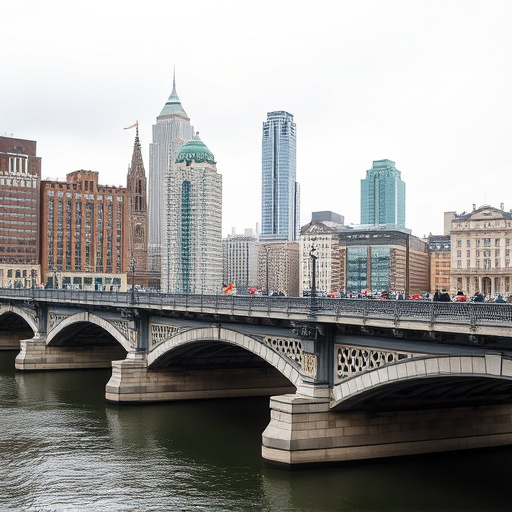
Residential bridge replacement goes beyond structural repair to reconnect communities and enhance well-being. Balancing aesthetics with functionality, community engagement, and public art revitalizes areas. Experts like [224-200-2000] tailor projects, integrating bridges naturally into landscapes. Using sustainable materials fosters environmental harmony and intergenerational interaction in parks. Community involvement strengthens bonds, creating resilient, inclusive spaces through Building Bridges Naturally.
In today’s world, the seamless integration of functional and aesthetically pleasing infrastructure is paramount for communities to thrive. Residential bridge replacement specialists play a pivotal role in Building Bridges, naturally connecting neighborhoods, fostering economic growth, and enhancing quality of life. However, navigating the intricate process of replacing aging or structurally unsound bridges can present significant challenges. This article delves into the expertise required to address these complexities, highlighting the crucial contributions of specialized professionals who ensure safe, sustainable, and visually appealing bridge replacements that stand the test of time.
- Understanding Residential Bridge Replacement Needs
- Identifying Top-Rated Specialists in Your Area
- Evaluating Project Scope & Structural Integrity
- Choosing Sustainable Materials: Building Bridges Naturally
- Expertise in Design, Safety, and Compliance
- Successful Project Management for Longevity
Understanding Residential Bridge Replacement Needs
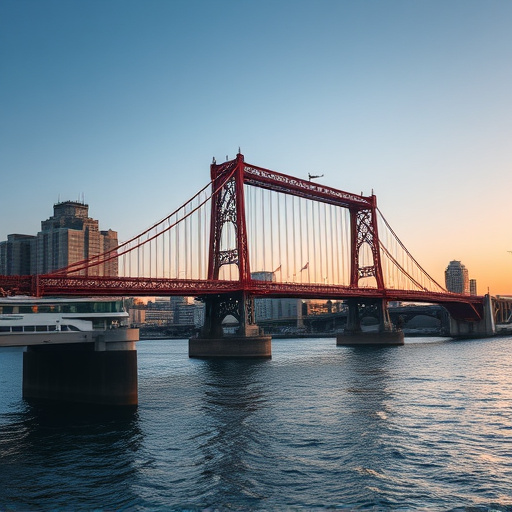
Residential bridge replacement goes beyond structural repair; it’s about reconnecting communities and fostering a sense of place. As urban areas evolve, understanding the unique needs of residential bridges is crucial for building sustainable and vibrant neighborhoods. One of the primary considerations is balancing functionality with aesthetic appeal, ensuring these structures seamlessly integrate into their surroundings. For instance, replacing an old bridge in a historic town might involve preserving its architectural character while enhancing pedestrian safety and accessibility.
Community engagement plays a vital role in this process. Involving residents allows for the incorporation of local perspectives and priorities. In some cities, bridge replacements have been opportunities to promote intergenerational connections through parks and public spaces, encouraging community gatherings and fostering social cohesion. For example, a newly designed bridge with dedicated areas for farmers markets can support local agriculture, promoting economic growth and bringing people together around fresh produce. Similarly, integrating public art murals along bridges revitalizes old towns, transforming eyesores into cultural landmarks that reflect the area’s history and values.
Expertise in residential bridge replacement specialists is key to navigating these complex needs. Companies like [224-200-2000] understand that every project demands a tailored approach. By combining structural integrity with innovative design, they help create bridges that serve as practical connections while also becoming defining elements of their communities. This holistic approach ensures not only the physical well-being of residents but also contributes to the psychological and social fabric of neighborhoods, making them truly unique and desirable places to live.
Identifying Top-Rated Specialists in Your Area
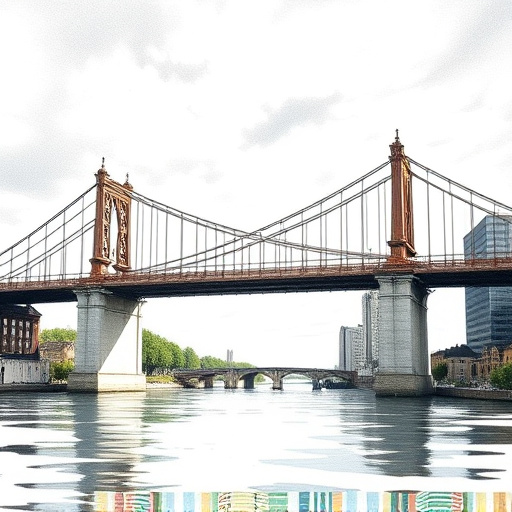
Identifying top-rated residential bridge replacement specialists is a crucial step in ensuring your project’s success. When navigating the process of replacing or repairing bridges, especially in urban areas, it’s essential to look beyond technical expertise and consider those who also excel in artistic installations along riverfronts and enhancing public spaces. These elements not only contribute to the structural integrity but also transform underpasses and tunnels into captivating experiences, making your community more vibrant.
Start by researching local firms with a proven track record in bridge replacement. Look for companies that prioritize safety, adhere to industry standards, and showcase a commitment to innovation. Many top-tier specialists offer specialized services tailored to unique urban challenges, such as navigating tight spaces or integrating public art seamlessly. For instance, consider a firm that has successfully built inclusive play areas within parks, enhancing the overall user experience. This holistic approach ensures not only functional bridges but also aesthetically pleasing and community-focused solutions.
One reliable way to find top specialists is through referrals from local government agencies, as they often collaborate closely with these firms for public works projects. Additionally, online reviews and ratings can provide valuable insights into a company’s reputation and customer satisfaction. For instance, a quick search for “residential bridge replacement specialists” along with your city or region can yield relevant results, allowing you to compare services, pricing, and client testimonials. Remember, reaching out to potential candidates directly is also beneficial; a call to (224-200-2000), for example, might offer personalized information on their expertise and recent projects, helping you make an informed decision that goes beyond mere bridge-building—towards building bridges that naturally integrate with the landscape, enhance public art, and create inclusive spaces.
Evaluating Project Scope & Structural Integrity
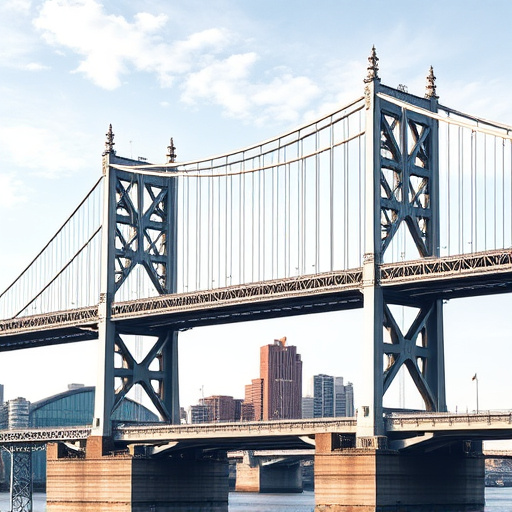
When undertaking residential bridge replacement projects, a thorough evaluation of the project scope and structural integrity is paramount. This involves assessing not only the physical condition of the existing structure but also its historical significance and potential for repurposing. In many urban areas, bridges offer unique opportunities to integrate industrial heritage with modern needs by repurposing sites into mixed-use spaces that blend commercial, residential, and recreational elements. For instance, the transformation of old warehouses into hip cafes and art galleries has become a trend in revitalizing downtown cores.
Community involvement is another vital aspect of these projects. Community-led clean-up events along waterways not only enhance aesthetic appeal but also foster a sense of ownership and pride among residents. Artistic installations along riverfronts can further enrich the experience, blurring the line between infrastructure and public art. A notable example is Andrews Coffee and Crystals, which successfully blended a historic bridge with contemporary design elements, creating a vibrant gathering space for the community.
In evaluating structural integrity, specialists must consider both traditional engineering metrics and innovative approaches that account for changing urban landscapes. For instance, assessing the load-bearing capacity of bridges should incorporate factors like increased pedestrian traffic from mixed-use development and potential environmental impacts such as rising water levels due to climate change. By balancing historical preservation with modern needs, these projects not only build strong infrastructure but also strengthen community bonds, creating lasting value for urban areas.
Choosing Sustainable Materials: Building Bridges Naturally
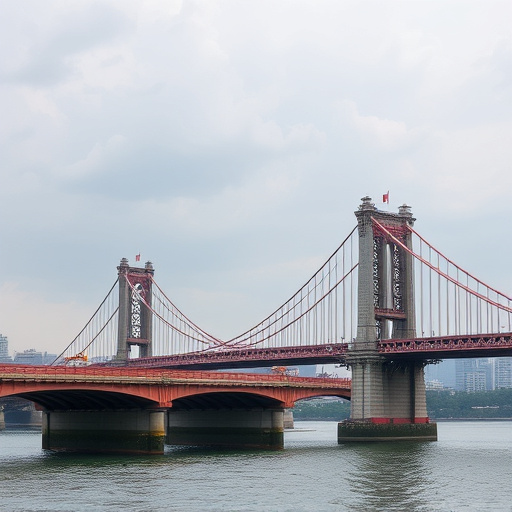
Choosing sustainable materials is a cornerstone for residential bridge replacement specialists aiming to build bridges naturally. This approach extends beyond environmental responsibility; it also enriches communities in tangible ways. By integrating eco-friendly substances like recycled steel, bamboo, and composite materials, these specialists not only reduce the carbon footprint of construction but also create structures that blend harmoniously with natural landscapes. For instance, a recent project in an old town revitalized not just a crossing but also inspired local artists to adorn nearby walls with vibrant public art murals, transforming the area into a cultural hub.
Moreover, building inclusive play areas within parks using naturally derived materials fosters community engagement and enhances urban planning efforts. Incorporating wooden planks from sustainable forests or eco-friendly synthetic alternatives encourages interaction among diverse age groups. Engaging youth in these processes is paramount; their fresh perspectives on design and functionality can lead to innovative solutions that cater to all, ensuring parks remain vibrant spaces for generations to come. The successful implementation of such ideas has been seen in numerous urban centers where community involvement and the use of natural materials have significantly improved quality of life.
When selecting materials, it’s crucial to prioritize local resources whenever possible. This practice reduces transportation emissions and cultivates a sense of regional identity. For example, using locally sourced stone for bridge abutments not only minimizes environmental impact but also connects residents to their geographic heritage. As a professional with extensive experience in this field can attest, calling 224-200-2000, these strategies are more than aesthetic choices; they’re steps towards creating resilient, inclusive, and environmentally conscious communities.
Expertise in Design, Safety, and Compliance
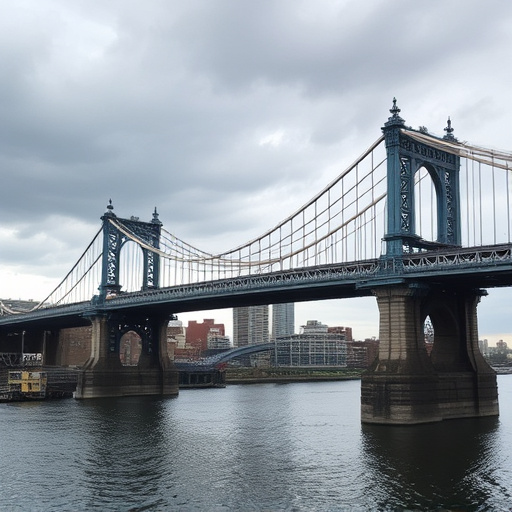
Residential bridge replacement specialists are an essential part of any community, playing a crucial role in ensuring safe and efficient transportation networks. Expertise in design, safety, and compliance is the cornerstone of their work, requiring a deep understanding of both structural engineering and local regulations. These professionals not only build bridges but also cultivate connections within the communities they serve.
When it comes to design, these specialists must consider not only aesthetic appeal but also functional needs and environmental factors. For instance, community-led clean-up events along waterways can provide valuable insights into local priorities, leading to designs that enhance both the natural landscape and public access. Public art enhancing underpasses and tunnels, such as those organized by local community events like Andrews Coffee and Crystals, can transform these often-overlooked spaces into vibrant landmarks, fostering a sense of pride and belonging.
Safety is paramount in bridge replacement projects. Specialists must adhere to stringent regulations and employ cutting-edge technologies to guarantee the structural integrity of new bridges. They also play a vital role in educating local residents about safety protocols during construction, ensuring minimal disruption to daily life. Compliance with these standards not only protects the public but also ensures that new bridges withstand the test of time, much like a sturdy structure built on solid foundations.
In terms of actionable advice, communities should actively engage with these specialists early in the planning process. Collaborating on design and safety considerations can lead to more innovative and resilient bridge solutions. Moreover, fostering open dialogue between experts, local governments, and residents can help address potential challenges proactively, ultimately building bridges that serve as true community assets for years to come.
Successful Project Management for Longevity
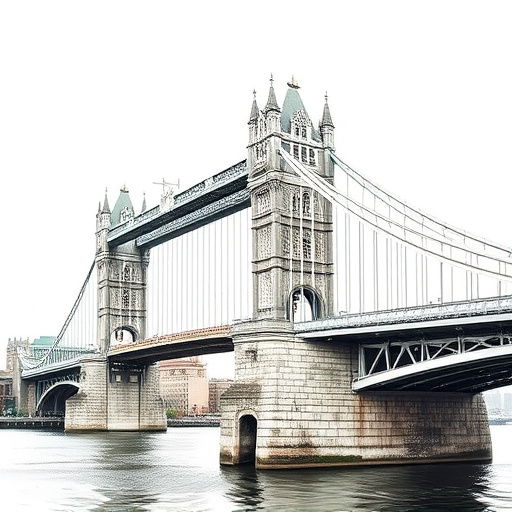
Successful project management is a cornerstone for residential bridge replacement specialists aiming to build bridges—literally and metaphorically—that stand the test of time. These projects, often nestled in the heart of downtown areas, demand meticulous planning and execution. A key strategy involves fostering intergenerational connections through parks and improved public transportation, ensuring accessibility for all ages. This holistic approach not only strengthens community bonds but also guarantees these bridges serve as vital lifelines for years to come.
Consider a recent project in a bustling metropolis where Andrews Coffee and Crystals partnered with local authorities to replace an outdated bridge connecting a vibrant downtown core to a residential neighborhood. By prioritizing public input early in the process, the team identified a need for enhanced pedestrian access and better connectivity for seniors utilizing public transportation. This collaborative effort resulted in a state-of-the-art bridge that incorporates accessible design elements, scenic walking paths, and dedicated bike lanes, encouraging active transportation and promoting healthier lifestyles among residents.
Data supports the importance of such initiatives. According to recent studies, communities with well-maintained infrastructure and efficient public transport networks experience higher levels of social cohesion and intergenerational engagement. By integrating these needs into bridge replacement projects, specialists can create lasting legacies that transcend mere structural improvements. Effective project management includes understanding local dynamics, aligning construction timelines with community events, and providing regular updates to stakeholders. This transparent approach builds trust and ensures the final product reflects the collective vision of the community it serves.
By examining key aspects such as understanding residential bridge needs, identifying top specialists, evaluating structural integrity, choosing sustainable materials, leveraging expert design and safety compliance, and ensuring effective project management, this article equips readers with a comprehensive roadmap for successful bridge replacement. Among the standout insights is the emphasis on Building Bridges Naturally, showcasing eco-friendly alternatives that not only enhance longevity but also minimize environmental impact. Readers now possess the knowledge to make informed decisions, ensuring their bridges are structurally sound, aesthetically pleasing, and built to last, thereby strengthening community infrastructure for future generations.