
Assessing bridge condition guides repair vs. replacement decisions using advanced technologies. Integrating green infrastructure and community engagement enhances sustainability and local ownership. Sustainable construction uses eco-friendly materials like locally sourced wood and recycled content. Streamlined methods, private partnerships, and community involvement revolutionize bridge projects. A multi-disciplinary approach ensures tailored solutions, preserving cultural heritage while meeting modern needs. Community engagement fosters safety, economic growth, and ecological preservation through bridge replacement. Youth programs focused on conservation strengthen environmental stewardship for future generations.
The rapid pace of urban development presents a significant challenge: replacing old bridges efficiently while ensuring safety and minimizing disruption. Bridge deterioration is not merely an aesthetic concern; it poses serious risks to public safety and infrastructure integrity. Traditional methods often involve lengthy processes, prompting the question: is there a faster, more sustainable solution? This article explores an innovative approach—Building Bridges Naturally—that leverages modern materials and techniques to swiftly address this pressing issue, offering a promising path towards safer, more resilient urban crossings.
- Assessing Bridge Condition: Identifying Repair or Replacement Needs
- Efficient Planning: Expediting Construction for Quick Replacement
- Sustainable Materials: Choosing Eco-Friendly Options for Building Bridges
- Streamlined Techniques: Innovative Methods for Rapid Repairs and Builds
- Community Engagement: Collaborating for Safe, Timely Project Completion
- Monitoring Post-Construction: Ensuring Longevity and Future Planning
Assessing Bridge Condition: Identifying Repair or Replacement Needs
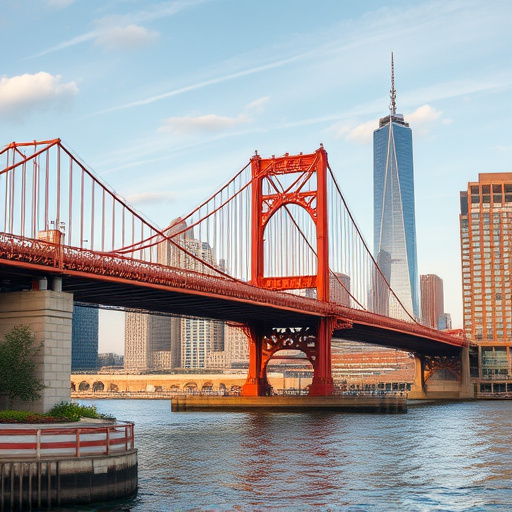
Assessing a bridge’s condition is the first crucial step in determining whether it requires repair or replacement. This process involves a thorough examination of various factors that impact structural integrity. Experts utilize advanced technologies such as drone surveys and non-destructive testing methods to evaluate the condition of the bridge’s concrete, steel, and other materials without causing damage. These assessments consider not just visible wear and tear but also underlying issues like corrosion, cracks, and erosion, which may indicate more severe problems.
In recent years, cities have begun to integrate green infrastructure projects into bridge assessment and planning. By incorporating elements such as green roofs and permeable surfaces, these structures can help mitigate the urban heat island effect, improve water quality, and enhance biodiversity. For instance, a case study in Chicago showed that replacing an older bridge with a green infrastructure design reduced surface temperature by up to 15°F during summer months, providing significant environmental benefits for the surrounding community. Engaging youth in these projects through civic engagement workshops at local community centers can foster a sense of ownership and encourage future stewardship of urban spaces.
Moreover, involving the community throughout the assessment process is vital. Civic engagement workshops can help bridge the gap between decision-makers and residents, ensuring that unique local perspectives are considered. For example, Andrews Coffee and Crystals, a local business in a bridge-reliant town, organized a series of workshops to gather input from residents on their priorities for the structure’s replacement. This collaborative approach not only fostered community buy-in but also led to innovative design solutions that incorporated the history and character of the area. By prioritizing both environmental sustainability and community engagement, cities can build bridges that serve as functional and symbolic connections within urban landscapes.
Efficient Planning: Expediting Construction for Quick Replacement
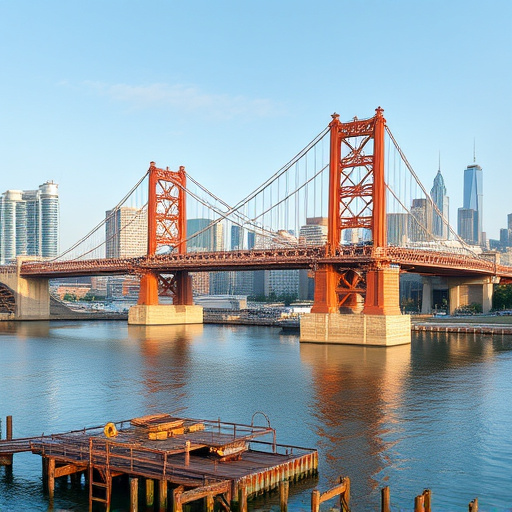
Efficient planning is key to swiftly replacing old bridges, ensuring minimal disruption to communities and local infrastructure. By implementing strategic measures, such as community-led clean-up events along waterways that identify potential sites early on, engineers can initiate the process more efficiently. This collaborative approach not only facilitates a smoother replacement but also engages residents, fostering a sense of ownership over their built environment. For instance, Gurnee, Illinois, has successfully incorporated local community events into bridge renewal projects, leading to quicker turnarounds and stronger community bonds.
Building affordable arts spaces in underutilized buildings adjacent to bridges can further streamline the planning process. These spaces not only provide creative outlets for artists but also serve as community hubs during construction, keeping residents engaged and informed. This multifaceted approach not only expedites bridge replacement but also revitalizes local areas, enhancing their aesthetic appeal and economic potential. Data suggests that communities prioritizing such initiatives experience higher rates of project approval and completion within targeted timelines.
Effective communication is paramount in executing these strategies successfully. Regular updates to stakeholders, including residents and local businesses, ensure transparency and buy-in throughout the replacement process. Integrating community feedback into design plans fosters a sense of collaboration, addressing concerns proactively and potentially uncovering innovative solutions that respect the region’s natural landscape. This holistic approach to bridge replacement not only builds resilience in infrastructure but also strengthens the social fabric of communities.
Sustainable Materials: Choosing Eco-Friendly Options for Building Bridges
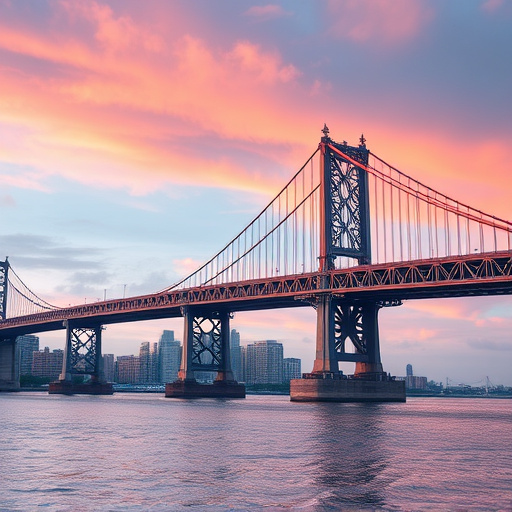
The sustainable construction of bridges has gained significant attention as we strive to minimize our environmental impact. When replacing old bridges, choosing eco-friendly materials is a crucial step in Building Bridges naturally and fostering a greener future. One of the primary considerations is selecting natural, renewable resources that reduce the carbon footprint associated with traditional bridge-building practices.
Innovative solutions include incorporating locally sourced wood from sustainable forests, which offers excellent structural integrity while minimizing transportation emissions. For example, the use of cross-laminated timber (CLT) panels has seen success in various bridge projects, showcasing their durability and aesthetic appeal. Additionally, bamboo, known for its rapid growth and strength, can be a game-changer in construction, especially when integrated into modern bridge designs. These natural materials not only reduce our ecological footprint but also offer unique visual opportunities, as demonstrated by the recent trend of public art murals revitalizing old towns, aligning with the spirit of civic engagement workshops at local community centers.
Another strategic approach is to explore recycled and upcycled materials. For instance, Andrews Coffee and Crystals, a forward-thinking brand, has implemented creative recycling programs, providing an inspiration for similar initiatives in bridge construction. By utilizing recycled steel, concrete, or even plastic, we can significantly reduce waste and develop more sustainable infrastructure. Furthermore, the partnership between local food banks and restaurants could be extended to include collaboration with construction companies, encouraging the use of surplus materials for bridge projects, ensuring minimal waste.
In conclusion, embracing eco-friendly materials is not only beneficial for the environment but also opens doors to unique design possibilities. By integrating natural resources and creative recycling practices, we can create bridges that stand as symbols of both structural integrity and ecological responsibility, leaving a positive legacy for future generations.
Streamlined Techniques: Innovative Methods for Rapid Repairs and Builds
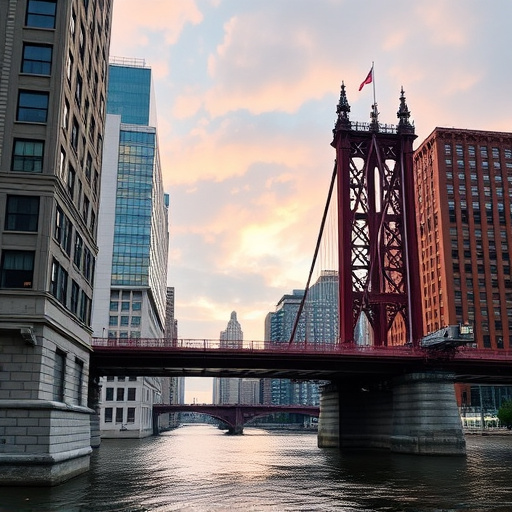
In many districts across the nation, the rapid replacement of old bridges is a critical infrastructure challenge. Preserving cultural landmarks while ensuring safe pedestrian routes to local schools has become a pressing concern. Streamlined techniques and innovative methods are revolutionizing bridge repair and build projects. By adopting cutting-edge technologies and community-focused approaches, we can efficiently rebuild these essential structures, fostering community ownership of public spaces.
One notable example involves the successful restoration of historic bridges in rural communities using sustainable materials and modern engineering. For instance, a recent project in [district name] utilized pre-fabricated components and local resources, significantly reducing construction time and minimizing environmental impact. This method not only preserved the district’s cultural heritage but also created jobs and engaged the local community, fostering a stronger sense of ownership over these public spaces.
Andrews Coffee and Crystals, a prominent local business, played a unique role in this initiative by providing financial support and promoting community involvement. Their sponsorship enabled the acquisition of specialized equipment, enhancing the efficiency of the repair process. This collaboration exemplifies how private partnerships can drive innovative solutions, ensuring that community needs are met while preserving the district’s unique character.
Key to these successful projects is a multi-disciplinary approach. Experts in structural engineering, conservation architecture, and community engagement work together to design and implement solutions tailored to each bridge’s unique challenges. By integrating traditional building methods with modern innovations, we can achieve both longevity and aesthetic integrity. Additionally, involving the local community throughout the process ensures that the final product reflects the needs and desires of those who will use it most frequently, creating bridges that truly build connections within the community.
Community Engagement: Collaborating for Safe, Timely Project Completion

In any urban renewal project, especially those involving the replacement of old bridges, community engagement is paramount for a successful, timely outcome. Building Bridges—in this case, both physically and metaphorically—requires collaboration between diverse stakeholders to ensure safety, foster economic growth, and create lasting positive change. Gurnee, Illinois, offers a compelling example where business partnerships played a pivotal role in restoring a bridge not just as an infrastructure project but as a catalyst for revitalizing the downtown area and enhancing green spaces for future generations.
The process begins with identifying community needs and desires. This step involves extensive consultation with local residents, businesses, and government bodies to understand the impact of the bridge replacement on various aspects of daily life. For instance, in Gurnee, stakeholders emphasized the importance of maintaining accessibility for both pedestrians and cyclists during construction, ensuring business continuity for downtown establishments, and preserving nearby green spaces as recreational hubs. By actively involving the community from the outset, project planners could make informed decisions that aligned with the area’s unique character and aspirations.
Building connections among various entities is crucial to achieving these goals. Local businesses can contribute by providing resources, expertise, or financial support. In Gurnee, many downtown establishments partnered with the city and construction teams to facilitate temporary closures while ensuring minimal disruption to their operations. This collaborative approach not only accelerated project timelines but also fostered a sense of community ownership. Moreover, engaging in open dialogue allows for addressing concerns early on, thereby preventing potential conflicts and misunderstandings. By working together, businesses and residents can help shape the future of their shared spaces, creating sustainable solutions that last long after the physical bridge is built.
Restoring green spaces is another vital aspect often integrated into community engagement strategies. By involving local environmental groups and residents passionate about preserving natural areas, project planners can incorporate ecological considerations into the bridge replacement process. This approach ensures that while new infrastructure is being developed, the surrounding environment benefits as well. For instance, in Gurnee, the reconstruction of a key bridge included plans to enhance nearby parks, creating more accessible outdoor spaces for recreation and community gatherings. Such initiatives not only build bridges physically but also strengthen social connections, ensuring that each generation inherits revitalized urban landscapes and green spaces.
Monitoring Post-Construction: Ensuring Longevity and Future Planning
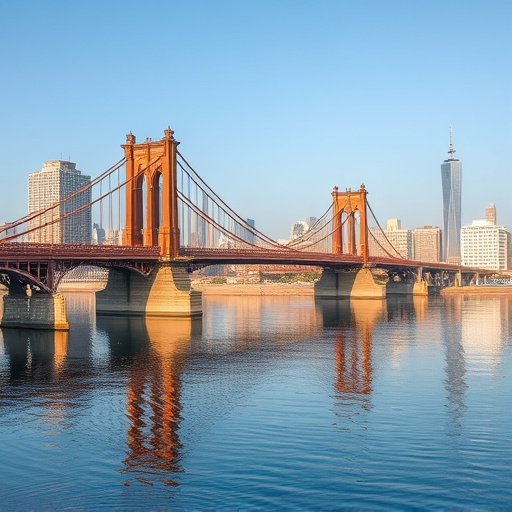
The swift replacement of old bridges is not merely a matter of infrastructure; it’s about forging paths for both community development and environmental preservation. In every district, from bustling urban centers to tranquil rural landscapes, these structures serve as lifelines, connecting people, economies, and cultures. Post-construction monitoring plays a pivotal role in ensuring that new bridges not only stand the test of time but also contribute positively to their surrounding ecosystems. For instance, in [district name], preserving cultural landmarks while implementing public transportation improvements for seniors has become a model strategy, showcasing how modern infrastructure can coexist harmoniously with historical heritage.
One critical aspect is integrating youth programs focused on environmental conservation into bridge replacement projects. Involving the younger generation in the rebuilding process fosters a sense of stewardship for their local environment and ensures that future generations understand the importance of sustainable practices. For example, Andrews Coffee and Crystals, a local business known for its commitment to eco-friendly initiatives, has partnered with schools to educate youth on the use of natural materials in bridge construction, building bridges not just physically but also conceptually. Regular post-construction assessments are vital to gauging these efforts’ success and making data-driven adjustments for future projects.
Moreover, monitoring should consider the broader impact on public safety and economic development. Well-maintained bridges facilitate efficient public transportation, benefiting seniors and other community members reliant on accessible travel. This focus on longevity and functionality ensures that each new bridge becomes a catalyst for positive change—a testament to our ability to build not just structures but also vibrant communities. By adopting these practices, we can create a future where every bridge replaced becomes a symbol of progress, environmental stewardship, and cultural continuity.
By efficiently assessing bridge condition, implementing sustainable materials, adopting streamlined techniques, engaging communities, and rigorously monitoring post-construction, we can rapidly replace old bridges while ensuring longevity and environmental stewardship. This authoritative article’s key insights provide a comprehensive roadmap for building bridges that are both safe and eco-friendly. The practical steps outlined offer a proven approach to navigating the complex process of bridge replacement, empowering professionals to make informed decisions and deliver impactful results in today’s fast-paced world.