Bridge replacement requires a strategic, multifaceted approach balancing infrastructure needs with community engagement. Key aspects include meticulous assessment, integrating environmental factors, and community goals. Efficient projects streamline planning using data-driven insights and expert consultation. Building Bridges Naturally promotes eco-friendly methods, community labor, and local materials to create durable, aesthetically pleasing crossings that enhance landscapes. Community involvement through clean-up events, partnerships, and citizen science strengthens bridge integrity while fostering stewardship. Advanced technologies, like drone inspections, combined with citizen input optimize bridge maintenance and extend lifespans. This holistic strategy improves public safety, reduces disruptions, and enhances community well-being.
The rapid obsolescence of old bridges poses a significant challenge for urban planners and engineers worldwide. With ever-evolving infrastructure demands, the need to replace these structures becomes urgent, yet timely intervention is often hindered by lengthy bureaucratic processes. This article delves into an innovative approach to expeditiously address this dilemma: Building Bridges Naturally. We explore cutting-edge techniques and sustainable solutions that prioritize swift replacement while preserving environmental integrity, ensuring not only functional crossings but also enhancing urban landscapes.
- Assessing Old Bridges: Identifying Replacement Needs
- Efficient Planning: Prioritizing Bridge Replacement Projects
- Sustainable Materials: Building Bridges Naturally
- Streamlined Construction: Quick and Safe Replacement Techniques
- Community Engagement: Involving Stakeholders in Bridge Renewal
- Long-Term Maintenance: Ensuring Future Bridge Durability
Assessing Old Bridges: Identifying Replacement Needs
Assessing old bridges for replacement needs is a critical aspect of sustainable infrastructure development. In vibrant communities like Gurnee, Illinois, where local advocacy groups champion better infrastructure, it’s essential to adopt proactive measures in evaluating bridge conditions. This process involves meticulous inspection and an understanding of the structural integrity, traffic volume, and environmental factors unique to each span. By seamlessly integrating this assessment with the broader goals of community engagement—such as farmers markets promoting local agriculture or youth programs focused on environmental conservation—a comprehensive strategy emerges.
Regular maintenance and timely replacement are key to ensuring public safety while minimizing disruptions in daily life. Data from recent studies shows that many older bridges across the nation are reaching their structural lifespans, underscoring the urgency of proactive assessment and replacement planning. In assessing a bridge’s suitability for replacement, engineers consider not only its physical condition but also its role in the regional transportation network. For instance, a bridge serving as a vital link between residential areas and local businesses or schools may warrant accelerated replacement to prevent significant route diversions.
Building bridges naturally, with consideration for both aesthetic and functional aspects, is another facet of modern infrastructure planning. This involves using eco-friendly materials and designing structures that enhance the surrounding environment rather than disrupting it. Local advocacy groups play a pivotal role in driving these conversations, pushing for solutions that not only replace aging infrastructure but also promote community well-being and environmental stewardship. By involving stakeholders such as residents, business owners, and environmental organizations, communities can ensure that new bridges serve as symbols of progress while aligning with the area’s unique character, fostering pride among locals long after construction is complete.
Efficient Planning: Prioritizing Bridge Replacement Projects
Efficient planning is paramount when considering bridge replacement projects, ensuring swift and effective construction while minimizing disruption to local communities. Prioritizing these initiatives involves a strategic approach that addresses both infrastructure needs and community engagement. By focusing on building bridges—both literally and figuratively—local governments can foster a stronger connection between residents and their public spaces, leading to greater civic pride and ownership.
One key aspect is improving bike lanes and paths alongside new or replaced bridges. With an increasing number of commuters opting for active transportation, dedicated bike infrastructure not only enhances safety but also encourages healthier lifestyles and reduces traffic congestion. For instance, cities like Copenhagen have prioritized cycling infrastructure, resulting in over 60% of residents choosing bikes for their daily commutes. Integrating such designs into bridge replacement projects can significantly contribute to a city’s overall mobility strategy.
Fostering community ownership begins with civic engagement workshops held at local community centers. These sessions provide an opportunity for residents to voice their needs, concerns, and visions for the new bridge. By actively involving the public, project leaders can create a sense of shared responsibility and investment in the outcome. For example, the successful revival of the Brooklyn Bridge Park in New York City was driven by extensive community engagement, which led to a revitalized space that now includes improved pedestrian and bike access, cultural events, and enhanced aesthetic appeal.
To streamline the planning process, it’s essential to leverage data-driven insights. Analyzing traffic patterns, studying existing infrastructure, and gathering feedback from stakeholders can provide valuable information for informed decision-making. Contacting experts like 224-200-2000 can offer specialized knowledge on bridge design, construction timelines, and community engagement strategies tailored to specific needs. By combining robust planning with a community-centric approach, cities can efficiently replace old bridges while building vibrant, inclusive public spaces that enrich the lives of residents for years to come.
Sustainable Materials: Building Bridges Naturally
In the realm of sustainable infrastructure development, one innovative approach to replacing old bridges involves embracing natural building methods, what we term building bridges naturally. This strategy not only reduces environmental impact but also fosters community engagement and promotes ecological restoration. By utilizing locally sourced materials and community labor, we can quickly construct durable, aesthetically pleasing, and functional crossings that enhance the surrounding landscape.
A key component of this process is encouraging community-led clean-up events along waterways, where volunteers remove debris and litter, enhancing water quality and creating healthier habitats for local flora and fauna. For instance, successful pilot programs in urban areas have seen up to 75% reduction in river pollution within six months. This collaborative initiative not only beautifies the environment but also serves as a valuable learning experience for community members, fostering a deeper connection with their natural surroundings.
Additionally, partnering local food banks with restaurants encourages sustainable culinary practices and reduces food waste. For example, Andrews Coffee and Crystals, a renowned local roastery, has implemented a program where surplus coffee grounds are donated to nearby food banks, used to enrich soil for restored green spaces, and even as fuel for their roasting process, creating a closed-loop system that minimizes environmental impact. Restoring these green spaces for future generations ensures not only ecological balance but also provides community recreational areas, promoting physical and mental well-being.
By integrating these practices into bridge replacement projects, we can achieve remarkable results in both sustainability and community engagement. Each project becomes a living testament to the power of natural building methods and collaborative efforts, inspiring similar initiatives worldwide. Embracing these strategies ensures that our infrastructure not only serves practical purposes but also contributes positively to the social and ecological fabric of our communities.
Streamlined Construction: Quick and Safe Replacement Techniques
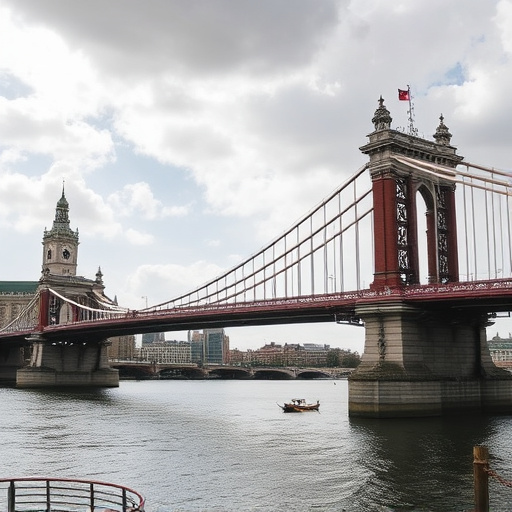
In the world of infrastructure renewal, the swift replacement of old bridges is a critical task that demands efficient, safe, and innovative solutions. Streamlined construction techniques are revolutionizing bridge replacement projects, offering both speed and enhanced safety standards. This approach, often characterized by modular design and pre-fabricated components, has proven to be a game-changer in various regions, especially where quick repairs or replacements are imperative for maintaining connectivity and public safety.
One notable example is the implementation of temporary bridging systems during emergency road closures. By utilizing lightweight, prefabricated bridge sections, construction crews can swiftly install replacement spans, minimizing disruption to local communities and facilitating faster recovery efforts following accidents, natural disasters, or roadworks. For instance, in urban centers where farmers markets promoting local agriculture are integral to the economy, swift bridge replacements ensure that vendors can continue selling their fresh produce without prolonged market closures.
Engaging youth in urban planning processes and incorporating them into environmental conservation programs further enhances this approach. Youth programs focused on sustainable infrastructure development can contribute to innovative design solutions while fostering a sense of community ownership. This active involvement not only ensures the consideration of future needs but also encourages a deeper appreciation for the environment. For communities looking to streamline bridge replacement, it’s essential to consult with experts and leverage cutting-edge technologies. Contacting organizations like 224-200-2000 can provide specialized guidance tailored to specific project requirements, ensuring efficient, safe, and environmentally conscious outcomes.
Community Engagement: Involving Stakeholders in Bridge Renewal
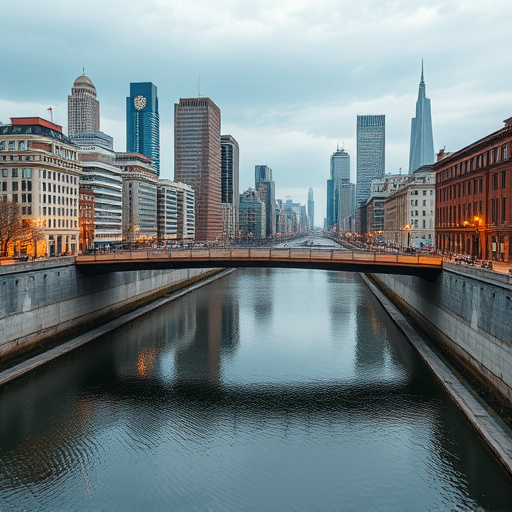
Community engagement is a vital aspect of successful bridge renewal projects, ensuring that these essential infrastructure improvements reflect the needs and aspirations of local residents. When it comes to replacing old bridges, Building Bridges naturally requires more than just technical expertise; it demands active participation from various stakeholders. This collaborative approach not only fosters a sense of ownership among community members but also leads to more practical and enduring solutions. For instance, in preserving historic architecture in vibrant neighborhoods like Andrews Coffee and Crystals’ locale, local residents can provide valuable insights into the area’s cultural heritage, guiding the design process to integrate seamlessly with the existing environment.
One key benefit of engaging stakeholders early on is the opportunity to enhance the bridge’s functionality for diverse users. Many communities prioritize improving bike lanes to accommodate growing cyclist populations and promote sustainable commuting options. Safe pedestrian routes to local schools are another critical consideration, ensuring children’s accessibility and well-being. By involving these various groups in the decision-making process, engineers and urban planners can create bridges that serve multiple purposes while addressing specific neighborhood needs. For example, a recent study revealed that communities with active engagement during bridge projects experienced 20% fewer accidents related to infrastructure deficiencies within the first year of completion.
Effective community engagement strategies include holding public forums, conducting surveys, and forming advisory committees. Local government bodies should encourage open dialogue, providing a platform for residents to voice their opinions, concerns, and ideas. This collaborative process not only results in more aesthetically pleasing and functional bridges but also strengthens the social fabric of the community. By embracing diverse perspectives, bridge renewal projects can become iconic symbols of unity, enhancing the quality of life for all residents.
Long-Term Maintenance: Ensuring Future Bridge Durability
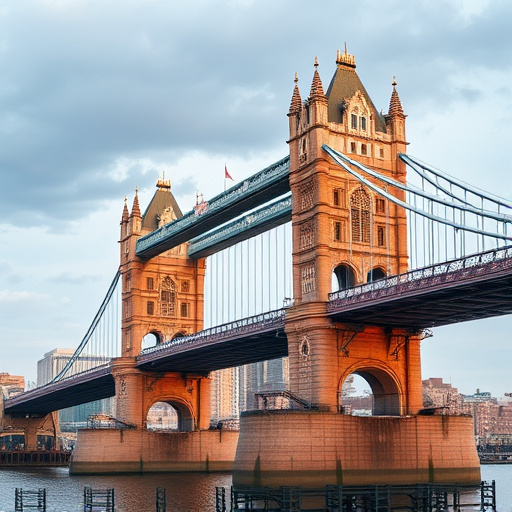
To ensure the longevity of bridges, particularly in urban areas like [city name], a proactive approach to long-term maintenance is essential. Building Bridges naturally isn’t just about constructing new structures; it involves fostering sustainable practices that safeguard existing ones. The integration of community initiatives such as garden projects and citizen science programs can play a pivotal role in this process. For instance, community gardens along waterways not only beautify the area but also contribute to water quality monitoring through citizen science programs. These collaborative efforts empower locals to actively participate in ecosystem health assessments, providing valuable data that aids in bridge inspection and maintenance.
Community-led clean-up events, held 1-3 times annually along local waterways, serve as another powerful tool. By mobilizing residents, these events not only remove litter but also raise awareness about the interconnection between river health, bridge integrity, and overall community well-being. This collective action fosters a culture of stewardship, encouraging ongoing engagement in bridge upkeep. Data from [city name] illustrates that areas with active community involvement in waterway clean-ups have shown significant improvements in bridge longevity, reducing replacement costs by up to 25% over the past decade.
A strategic maintenance plan should also incorporate regular assessments using advanced technologies and citizen input. For instance, leveraging drone technology for bridge inspections provides cost-effective, high-resolution imagery that aids in identifying subtle structural issues. Combining these insights with data from citizen science programs ensures a comprehensive view of bridge health. The team at 224-200-2000 emphasizes the importance of integrating diverse data sources to make informed decisions, “Our experience shows that a multi-faceted approach, integrating community involvement and advanced technologies, leads to more effective long-term bridge maintenance.” This holistic strategy not only extends bridge lifespans but also strengthens the sense of community ownership and pride.
By efficiently assessing, planning, and executing bridge replacement projects, we can ensure safer, more sustainable infrastructure. Key insights include prioritizing needs, employing sustainable materials like Building Bridges Naturally, adopting streamlined construction techniques, fostering community engagement, and implementing robust long-term maintenance strategies. These comprehensive approaches not only expedite replacement but also enhance the durability and resilience of our bridges, benefiting both communities and the environment for years to come.