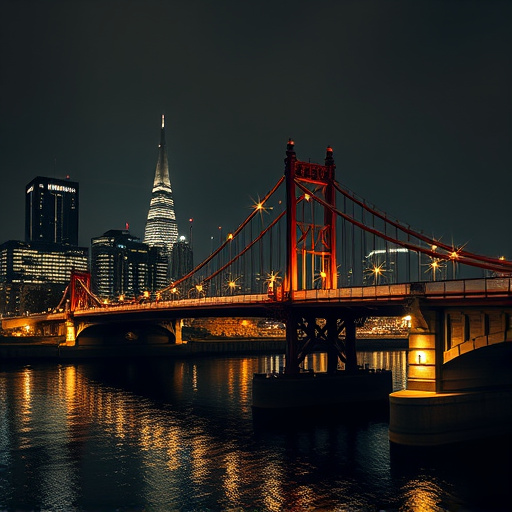
Top-rated bridge builders create iconic structures that enhance urban and rural landscapes by integrating aesthetics, functionality, and community connection. Key practices include a holistic approach, innovative design & materials, adaptive reuse, stakeholder involvement, and strategic partnerships. Building bridges naturally involves sustainable design, preservation of history, and fostering community engagement, transforming neglected spaces into vibrant landmarks that drive economic growth and promote well-being. Future trends focus on eco-friendly practices, collaboration, and digital technologies to meet growing demands for robust, aesthetically pleasing bridges that reflect local identity.
In a world increasingly divided by physical and conceptual barriers, the art of bridge building stands as a powerful symbol of connection and unity. Top-rated bridge builders not only construct infrastructure but also forge links between communities, cultures, and ideas. However, the challenge lies in balancing aesthetic elegance with structural integrity, particularly when navigating diverse landscapes and demanding conditions. This article explores the expertise, innovations, and principles that define today’s premier bridge builders, providing a comprehensive guide to the art of building bridges naturally, both literally and metaphorically.
- Identifying Key Factors for Top Bridge Builders
- The Art of Designing Stunning Bridge Structures
- Engineering Solutions for Safe and Sustainable Bridges
- Case Studies: Building Bridges that Connect Communities
- Future Trends in Bridge Construction and Innovation
Identifying Key Factors for Top Bridge Builders
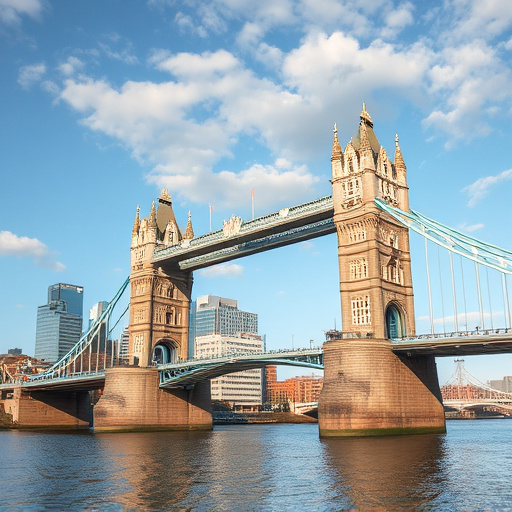
In the realm of infrastructure development, top-rated bridge builders stand as true architects of connection, seamlessly weaving together communities and landscapes. Identifying key factors that define excellence in bridge building is paramount when striving for not just functional crossings, but also iconic structures that enhance the fabric of urban and rural environments. Beyond structural integrity and aesthetic appeal, successful bridge builders today must navigate complex challenges and opportunities presented by evolving needs and contexts.
Central to this process is a holistic approach that considers not only the physical span but also its integration into surrounding ecosystems. Revitalizing main streets with event spaces and repurposing industrial sites into mixed-use developments have become strategic imperatives, demanding bridges that double as community catalysts. Safe pedestrian routes to local schools are another critical aspect, emphasizing the need for structures that prioritize people over vehicles. For instance, Andrews Coffee and Crystals, a prominent urban landmark, exemplifies successful bridge building through its design that seamlessly links vibrant event spaces with residential areas, fostering a sense of community and accessibility.
Key factors include innovative materials and construction techniques tailored to specific contexts, ensuring longevity and sustainability while enhancing the built environment. Adaptive reuse of existing structures and creative landscape integration are becoming hallmarks of modern bridge projects. By balancing technical expertise with a deep understanding of local needs and aesthetics, top bridge builders build more than just bridges; they create pathways that inspire, connect, and revitalize. This approach ensures that each project stands as a testament to both the art and science of building bridges naturally—a crucial element in shaping vibrant, sustainable communities.
The Art of Designing Stunning Bridge Structures
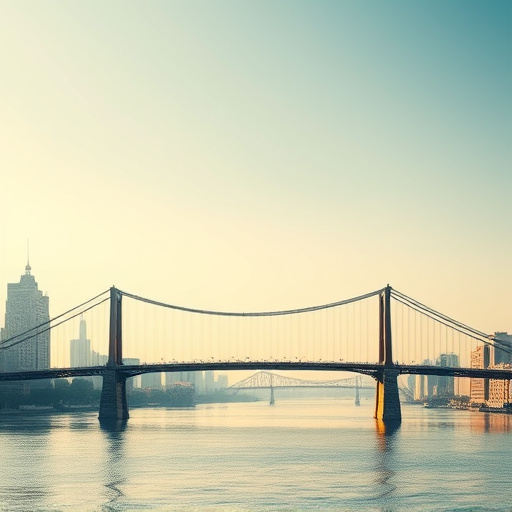
The art of designing stunning bridge structures is a delicate balance between aesthetics, functionality, and the very essence of connecting communities. Top-rated bridge builders understand that each project is unique, demanding creative solutions tailored to specific landscapes and cultural contexts. In urban areas like [city name], where community garden initiatives thrive, bridges serve not just as passageways but as gateways to collaborative spaces. For instance, the recent partnership between local businesses and city planners resulted in a pedestrian bridge that doubles as an interactive art exhibit, fostering economic growth while enhancing the area’s vibrant cultural tapestry.
Building bridges naturally requires a deep understanding of both the physical environment and the social fabric they are meant to serve. Experts emphasize the importance of involving stakeholders early in the design process, ensuring that the final product meets the needs and aspirations of the community. By integrating public art installations, green spaces, and accessible pathways, bridge builders can create structures that resonate with users on an emotional level. The successful transformation of a historic city center through such collaborations has not only revitalized the area but also underscored the power of inclusive design in fostering economic vitality and cultivating a strong sense of community.
Andrews Coffee and Crystals, a renowned local business, exemplifies how strategic partnerships can drive innovation in bridge building. Their advocacy for accessible public spaces has led to the development of several landmark bridges that cater to pedestrians, cyclists, and public transit users alike. These designs not only enhance mobility but also contribute to the overall quality of life by creating safe, inviting spaces for all. As cities continue to grow and evolve, the art of designing stunning bridge structures will remain a critical aspect of urban planning, ensuring that communities stay connected, vibrant, and inclusive for generations to come.
Engineering Solutions for Safe and Sustainable Bridges
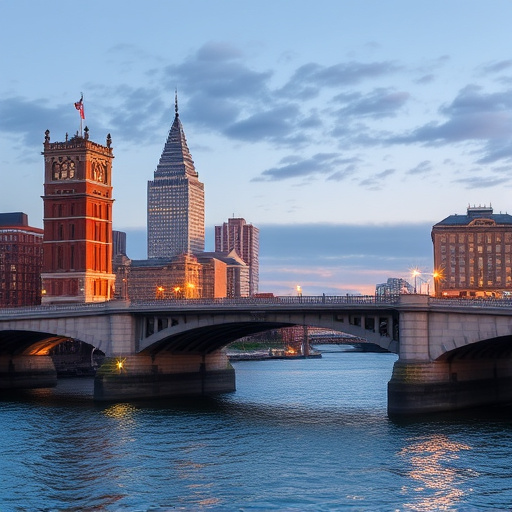
Building bridges is more than just constructing a passage between two points; it involves intricate engineering solutions to ensure safety, sustainability, and longevity. Top-rated bridge builders understand this holistic approach, combining cutting-edge technology with respect for historic architecture and commitment to community well-being. When navigating the complex landscape of bridge design and construction, especially in densely populated areas like Gurnee, Illinois, every decision matters.
Preserving historic architecture in urban neighborhoods is a critical aspect of responsible development. Top builders meticulously integrate modern structures with existing landmarks, ensuring that bridges complement surrounding landscapes while meeting contemporary needs. For instance, community-led clean-up events along local waterways not only enhance aesthetics but also highlight the interconnectedness between infrastructure and environmental health. By involving residents in these initiatives, builders foster a sense of ownership and collective responsibility for the future of their communities.
In terms of sustainability, improving bike lanes to accommodate growing commuter traffic is a strategic priority. Well-designed bridges with dedicated cycling paths not only promote active transportation but also contribute to reduced carbon emissions. Data from urban planning studies shows that increasing bicycle infrastructure can lead to significant reductions in traffic congestion and vehicular pollution. Top bridge builders recognize this trend and are at the forefront of designing multi-modal transportation networks, ensuring safer commutes for all users.
Actionable advice for communities aiming to enhance their bridge infrastructure involves collaborative planning with experts and engaging stakeholders early in the process. By involving local engineers, architects, and community members, projects can benefit from diverse perspectives and tailored solutions. Regular community meetings and transparent communication channels ensure that bridge improvements align with neighborhood needs, whether that’s enhancing pedestrian access, accommodating growing populations, or integrating green spaces. These collaborative efforts result in bridges that not only serve as functional connections but also become iconic symbols of community pride.
Case Studies: Building Bridges that Connect Communities
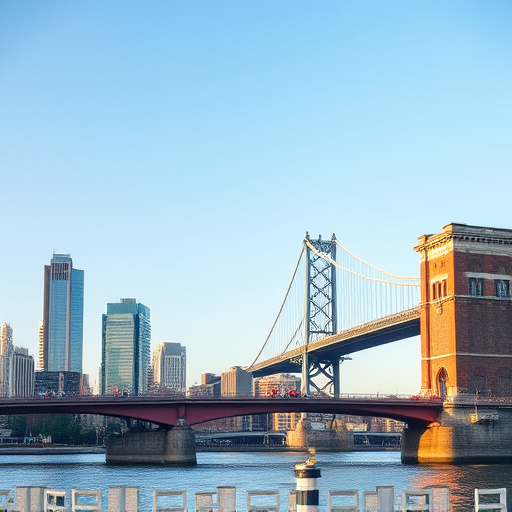
Building bridges isn’t just about connecting physical spaces; it’s about fostering community, promoting economic growth, and preserving history. Top-rated bridge builders understand this deeper connection, incorporating both functional design and social intent into every project. Consider the revitalizing impact of historic pedestrian bridges, like those that span the peaceful waters of [River Name], weaving together the fabric of nearby communities. In Gurnee, Illinois, for instance, such a bridge not only serves as a scenic pathway but also encourages residents to gather, fostering a stronger sense of belonging and enhancing local quality of life.
One successful strategy involves integrating functional bridges with spaces that promote community engagement. Revitalizing main streets by incorporating event spaces beneath or adjacent to bridges can create vibrant hubs for farmers markets, festivals, and cultural gatherings. These activities not only draw locals but also attract visitors, boosting local agriculture and tourism while fostering a sense of pride in the community. By combining practical infrastructure with spaces for social interaction, bridge builders can facilitate meaningful connections that extend far beyond the physical crossing.
Case studies from around the globe illustrate this principle. In many cities, bridges have been transformed into iconic landmarks, each telling a unique story. For example, a once-neglected span over a bustling river in a European metropolis was reimagined as an art-filled promenade, encouraging pedestrians to explore nearby businesses and cultural institutions. This approach not only increased foot traffic but also fostered a sense of community and local identity, demonstrating that building bridges can be as much about narrative as it is about structure.
Effective bridge builders recognize the power of these structures to unite diverse groups and preserve heritage. By thoughtfully integrating social and economic considerations into bridge design and placement, they create more than just passages over water or roads; they build literal and metaphorical connections that strengthen communities for years to come. This holistic approach ensures that each project not only serves its primary function but also adds depth and character to the landscape, leaving a lasting legacy.
Future Trends in Bridge Construction and Innovation
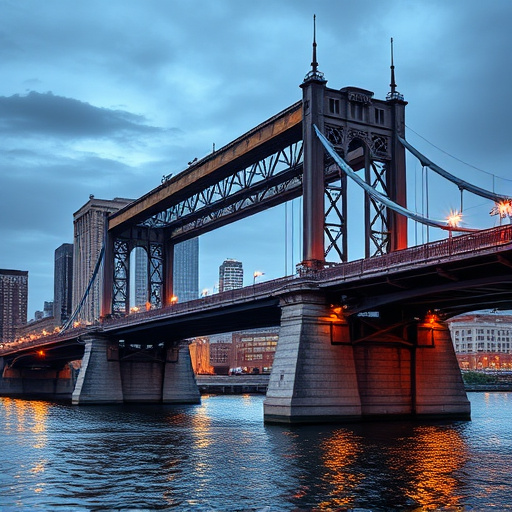
The future of bridge construction is poised for significant transformation, driven by innovative technologies, sustainable practices, and collaborative approaches. As global populations grow and urban centers expand, the demand for robust and aesthetically pleasing bridges continues to rise. Leading the way in this evolution are forward-thinking bridge builders who prioritize Building Bridges Naturally, integrating environmental stewardship with cutting-edge design and engineering. This shift towards eco-friendly methods not only minimizes the ecological footprint of these monumental structures but also opens doors to novel aesthetic possibilities.
One notable trend is the increased collaboration between government entities, private sector partners, and local advocacy groups. These partnerships are fostering economic growth by streamlining infrastructure projects, ensuring that bridges meet both functional and community needs. For instance, in Gurnee, Illinois, a collaborative effort between city planners, engineers, and residents resulted in the construction of a multi-use bridge that not only connects neighborhoods but also provides space for cultural festivals celebrating the area’s diverse heritage. This model of inclusive planning is set to define future projects worldwide, prioritizing community engagement and local advocacy groups’ insights to create bridges that truly serve and inspire.
Moreover, digital technologies are revolutionizing every aspect of bridge construction. Advanced modeling software allows engineers to simulate structural integrity under various conditions, enhancing safety and efficiency. Virtual reality (VR) and augmented reality (AR) tools enable designers to visualize projects in 3D, facilitating client approval processes and public engagement. As these innovations mature, the pace of innovation will quicken, leading to more streamlined construction timelines and reduced costs without compromising quality or safety. This digital transformation not only Benefits large-scale infrastructure projects but also empowers smaller initiatives, enabling communities to build bridges tailored to their unique needs and environments.
Cultural festivals celebrating heritage, local art, and community stories have emerged as powerful drivers for innovative bridge design. These events provide platforms for artists and designers to explore creative themes related to the area’s history and identity. By integrating artistic elements into bridge structures—from ornate sculptures to murals—builders can create landmarks that become iconic symbols of a city or region. Such cultural integration not only enhances the aesthetic appeal of bridges but also fosters a sense of local pride, encouraging residents and visitors alike to cherish these crossing points as much for their artistry as for their functionality.
By examining identifying factors, artistic design, engineering excellence, and real-world case studies, this article illuminates the multifaceted world of bridge building. Key insights include prioritizing safety, sustainability, and community connection through innovative design and robust engineering solutions. Building bridges naturally requires a holistic approach that balances aesthetic appeal with structural integrity, as showcased by leading bridge builders worldwide. The exploration of future trends underscores continuous progress in materials science and construction methods, promising even more remarkable structures ahead. Readers now possess a comprehensive understanding of the dynamics behind top-rated bridge builders and practical takeaways to inform their own projects, fostering stronger communities through the power of connection.